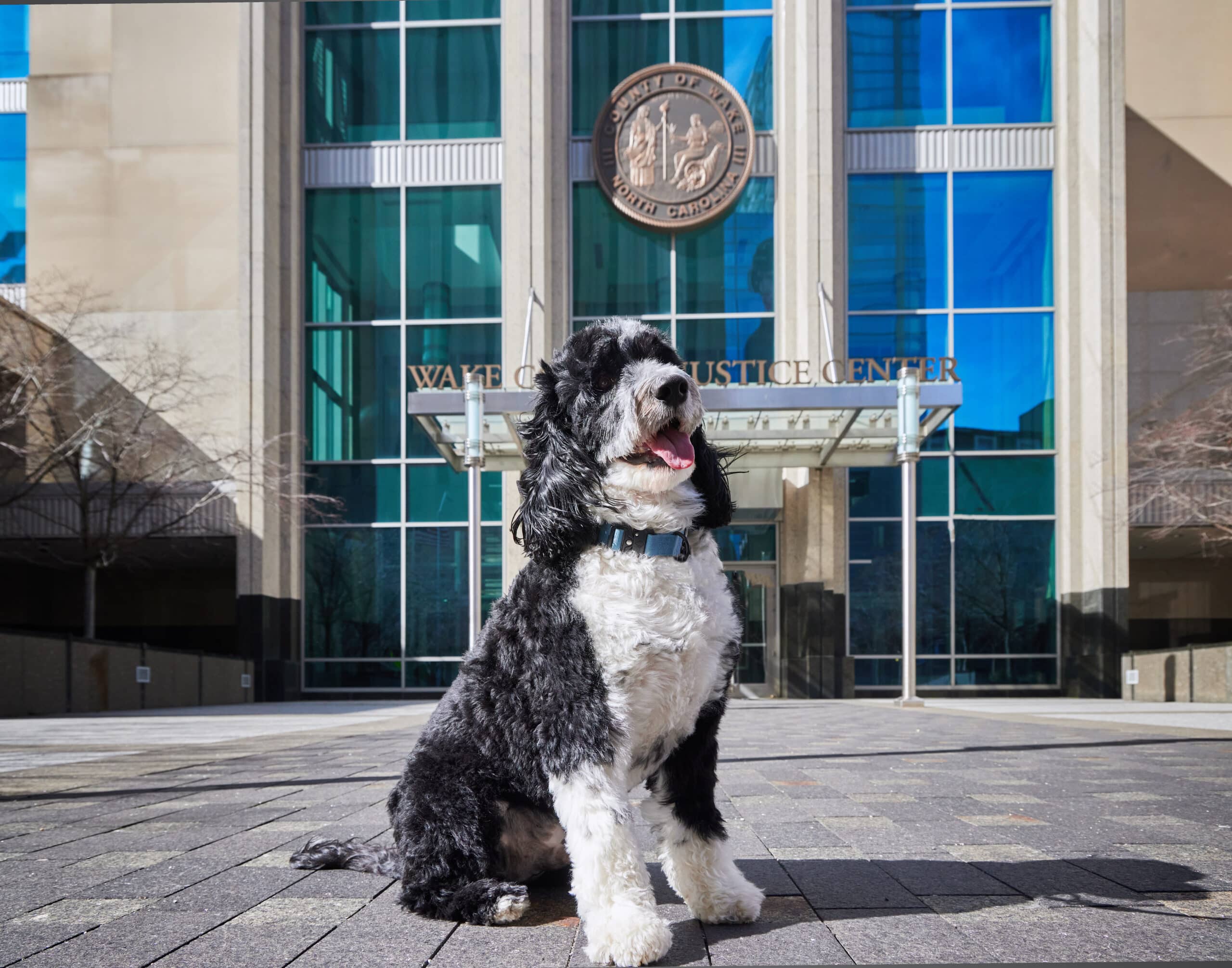



Our DWI attorneys help people throughout Wake County, North Carolina. We frequently handle offenses arising out of the following cities: Holly Springs, Fuquay-Varina, Wake Forest, Morrisville, Zebulon, Apex, Wendell, Rolesville, Garner, New Hope, Knightdale, Raleigh and Cary.
I have just been charged with Driving While Impaired (DWI). What do I do now?
If you’ve been charged with DWI, the first thing you need to do is contact an attorney. A skilled DWI lawyer can help protect your rights and fight for the best possible outcome.
To strengthen your case, write down everything you remember about the arrest while the details are still fresh. Key facts include:
- Why the officer pulled you over
- What questions did the officer ask
- Whether you were informed of your Miranda rights (your right to remain silent and have an attorney)
- Which field sobriety tests were you asked to perform
- Your BAC result, if you took a breath test
The more details you can provide your attorney, the better they can defend you. Acting quickly is crucial—don’t wait to get legal help.
What’s the difference between DWI & DUI?
In North Carolina, there’s no legal difference between DWI and DUI—they refer to the same offense.
Some states distinguish between Driving While Impaired (DWI) and Driving Under the Influence (DUI), but North Carolina law uses only DWI to cover all forms of impaired driving. So whether you’re searching for a DWI lawyer or a DUI attorney, it means the same thing in this state.
For more details, watch this video.
The officer had me perform several tests. What’s the purpose of these tests?
Field Sobriety Tests (FSTs) aren’t designed to "prove your innocence"—they’re used to gather evidence against you.
There are two types of FSTs:
Standardized Field Sobriety Tests (SFSTs) – These include:
- Walk-and-Turn Test
- One-Leg Stand Test
- Horizontal Gaze Nystagmus (eye test)
Non-Standardized Field Sobriety Tests – These may include:
- Finger Dexterity Test
- Alphabet Test
- Romberg Balance Test
For SFSTs, officers must follow strict procedures. If they fail to do so, your attorney may be able to challenge the test results, potentially getting them excluded from evidence—making it harder for the prosecution to prove you were impaired.
Can I refuse a field sobriety test in NC?
Yes. These tests are voluntary, and you are not legally required to perform them. However, refusing a field sobriety test may raise suspicion and could be used against you later in court.
What happens if I refuse a breathalyzer test in NC?
In North Carolina, refusing a roadside portable breath test (PBT) doesn’t result in a penalty. But, if the officer has probable cause to believe you are driving while impaired, they may request a breathalyzer test at the police station or a blood draw.
Refusing these tests will lead to a one-year license suspension. In some cases, you may be eligible for a limited driving privilege after serving six months of the suspension, as long as no other revocations are in effect.
The officer didn’t have me take the EC/IR-II test and didn’t measure my BAC. Does that mean I can’t be found guilty of DWI?
No, you can still be convicted of DWI even without a breath test or BAC reading.
In North Carolina, the District Attorney can prove impairment in two ways:
- By presenting a BAC result from an EC/IR-II test.
- By proving “appreciable impairment”—meaning the officer’s observations, field sobriety tests, and professional opinion can be enough to convict you.
While cases without a BAC result are harder for the prosecution, they can still lead to a conviction. A strong legal defense can challenge the officer’s observations and fight for the best possible outcome.
I blew over a 0.08. Does that mean I’m automatically guilty of DWI?
No, a BAC over 0.08 doesn’t automatically mean you’re guilty of DWI.
If guilt were automatic, there would be no need for a trial. Your attorney can challenge the BAC result in several ways, including:
- Raising reasonable doubt about whether you were actually impaired.
- Examining procedural errors—Officers must follow strict steps before administering the EC/IR-II test.
- Suppressing evidence—If law enforcement failed to follow proper protocol, your BAC result may be inadmissible in court.
A skilled DWI attorney can analyze the details of your case and fight for the best possible outcome.
I want to fight my DWI charge. What can I do?
Fighting a DWI charge is possible, and your attorney can challenge the case at three key stages:
- The Traffic Stop – The Police must have a legal reason to stop you, such as a traffic violation or erratic driving. If the stop was unlawful, your attorney can argue for a dismissal.
- The Arrest – To arrest you for DWI, the officer must have probable cause based on their observations, your driving, and field sobriety test results. If your attorney proves the evidence didn’t justify an arrest, the case may be dismissed.
- The Trial – The District Attorney must prove beyond a reasonable doubt that you were impaired. This is the highest legal standard, and your attorney can challenge breath test results, officer testimony, and any weaknesses in the prosecution’s case.
A strong defense can make a real difference. A DWI charge doesn’t automatically mean a conviction—knowing your rights and having an experienced attorney can help you fight back.
I don’t think I have a good case. Can I just plead guilty to a lesser charge?
In North Carolina, DWI charges can’t be reduced to a lesser offense like reckless driving. State law prevents prosecutors from lowering a DWI charge, meaning if you plead guilty or are convicted, it will stay on your record as a DWI.
If I can’t improve upon my charge, why should I hire a DWI lawyer?
Even if you can’t completely avoid a DWI charge, hiring a lawyer can still make a big difference. Here’s why:
- Legal Knowledge & Strategy – A DWI attorney understands North Carolina’s complex DWI laws and knows exactly what officers must do during an arrest. If there are weaknesses in your case, we’ll find them.
- Fighting for a Not Guilty Verdict – If you have a strong case, we’ll take it to trial and fight for an acquittal.
The bottom line? A DWI attorney gives you the best chance of protecting your record, your license, and your future.
Can a DWI be reduced to a lesser charge in NC?
It’s rare for a DWI to be reduced to a lesser charge, such as reckless driving. Prosecutors may consider lowering the charge in specific situations, but it’s not common practice.
I lost my license for 30 days following my charge, but I absolutely have to drive for work. What can I do?
If you’ve lost your license for 30 days due to a DWI charge, you won’t be able to drive at all for the first 10 days. However, starting on day 11, you may qualify for a limited driving privilege that allows you to drive for work or essential needs.
To apply, you’ll need:
- A certified copy of your driving record
- A DL-123 form from your insurance company
- A Substance Abuse Assessment from a drug and alcohol counseling center
- A signed letter from your employer (on company letterhead) if you need to drive outside standard hours (6:00 AM – 8:00 PM, Monday through Friday)
- $100 filing fee
Bring these documents to us, and we’ll take care of the rest—helping you get back on the road as soon as possible.
I refused to submit to a chemical analysis and lost my license for a year. Can I get a limited driving privilege?
In most cases, no—but there are some exceptions.
North Carolina is an implied consent state, meaning that by driving, you automatically agree to chemical testing if charged with a DWI. Refusing the test results in an automatic one-year license suspension.
You can appeal the suspension by requesting a DMV hearing, and if denied, you have 30 days to request a hearing in Superior Court.
Under certain conditions, you may qualify for a limited driving privilege after serving six months of the suspension. To be eligible, you must:
- Have no DWIs or prior refusals in the last seven years.
- Ensure the DWI charge did not involve death or serious injury.
- Have no additional implied consent offenses after the refusal.
- Complete a substance abuse assessment and any required treatment.
- Ensure the DWI charge is resolved with no conviction or a Level 3, 4, or 5 DWI conviction with at least one probation condition met.
Each case is unique, so speaking with an experienced DWI attorney can help determine your best options.
I’ve been convicted of DWI and I lost my license for a year, but I need to be able to drive. Can I do anything?
Yes, you may qualify for a limited driving privilege that allows you to drive for work, school, or other essential needs—even during your license suspension.
To apply, you’ll need:
- A certified copy of your driving record
- A DL-123 form from your insurance company
- A Substance Abuse Assessment from a drug and alcohol counseling center
- A letter from your employer (on company letterhead) if you need to drive outside the standard hours of 6:00 AM – 8:00 PM, Monday through Friday
- $100 filing fee
Bring these documents to us, and we’ll help you secure your limited driving privilege as quickly as possible.
What are the penalties for underage DWI in NC?
In North Carolina, drivers under the age of 21 can be charged with Driving While Consuming if they have any alcohol in their system. This offense is classified as a Class 2 misdemeanor, which carries a maximum penalty of 60 days in jail.
If the underage driver is found to be impaired, the charges and penalties can be much more severe, potentially including a standard DWI charge.
How long does a DWI stay on my record in NC?
In North Carolina, a DWI conviction will stay on your record permanently. Once convicted, it cannot be expunged or removed, no matter how much time has passed.
I was arrested for DWI in NC, but I live in another state. How does that affect me?
If you are arrested for DWI in North Carolina but live in another state, you may face consequences in both states. North Carolina will impose its own penalties, including potential license suspension. Additionally, your home state may also suspend your driver’s license based on the NC conviction.
It’s a good idea to consult with attorneys in both North Carolina and your home state to fully understand the impact and protect your driving privileges as much as possible.